


Mastering Fleet Technician Training: Fleet Training Essentials
Fleet maintenance is a critical component of any organization that relies on vehicles for daily operations. Properly trained technicians ensure vehicles run efficiently, safely, and with minimal downtime. Mastering fleet technician training is essential to keep pace with evolving vehicle technologies and operational demands. This post outlines the key elements of effective fleet training essentials and provides actionable insights to enhance technician skills and fleet performance.
Understanding Fleet Training Essentials
Effective fleet training starts with a clear understanding of the skills and knowledge technicians need. Training programs must cover a broad range of topics, from basic mechanical repairs to advanced diagnostics on hybrid and electric vehicles. The goal is to equip technicians with the ability to quickly identify and resolve issues, reducing vehicle downtime and repair costs.
Key components of fleet training essentials include:
Technical knowledge: Understanding engine systems, electrical components, and vehicle diagnostics.
Safety protocols: Proper handling of tools, PPE, and vehicle systems.
Use of technology: Familiarity with diagnostic software and electronic repair tools.
Regulatory compliance: Knowledge of environmental and safety regulations affecting fleet operations.
Soft skills: Communication, teamwork, and problem-solving abilities.
Training should be hands-on and scenario-based to simulate real-world challenges. Regular updates and refresher courses keep technicians current with new vehicle models and technologies.

What does a fleet technician do?
A fleet technician maintains and repairs vehicles used by organizations to ensure they operate safely and efficiently. Their responsibilities include:
Routine maintenance: Oil changes, tire rotations, brake inspections, and fluid checks.
Diagnostics: Using specialized equipment to identify mechanical or electrical issues.
Repairs: Fixing or replacing faulty parts such as engines, transmissions, and electrical systems.
Record keeping: Documenting maintenance activities and repairs for compliance and tracking.
Vehicle inspections: Conducting pre-trip and post-trip inspections to identify potential problems.
Upgrading systems: Installing new technology or retrofitting vehicles to meet updated standards.
Fleet technicians must adapt to a variety of vehicle types, including diesel trucks, CNG-powered vehicles, gasoline-powered cars, and increasingly, electric and hybrid models. Their work directly impacts fleet reliability and operational costs.
Designing an Effective Fleet Technician Training Program
Creating a successful training program requires a structured approach. Here are steps to design an effective program:
Assess training needs: Evaluate current technician skills and identify gaps.
Set clear objectives: Define what technicians should know and be able to do after training.
Develop curriculum: Include theory, practical exercises, and assessments.
Select qualified instructors: Use experienced professionals with industry knowledge.
Incorporate technology: Use simulators, diagnostic tools, and e-learning platforms.
Schedule regular training: Plan ongoing sessions to keep skills up to date.
Measure outcomes: Track performance improvements and adjust training accordingly.
Incorporating real-world scenarios and problem-solving exercises enhances learning retention. Collaboration with vehicle manufacturers and industry experts can provide valuable insights and resources.
Leveraging Technology in Fleet Technician Training
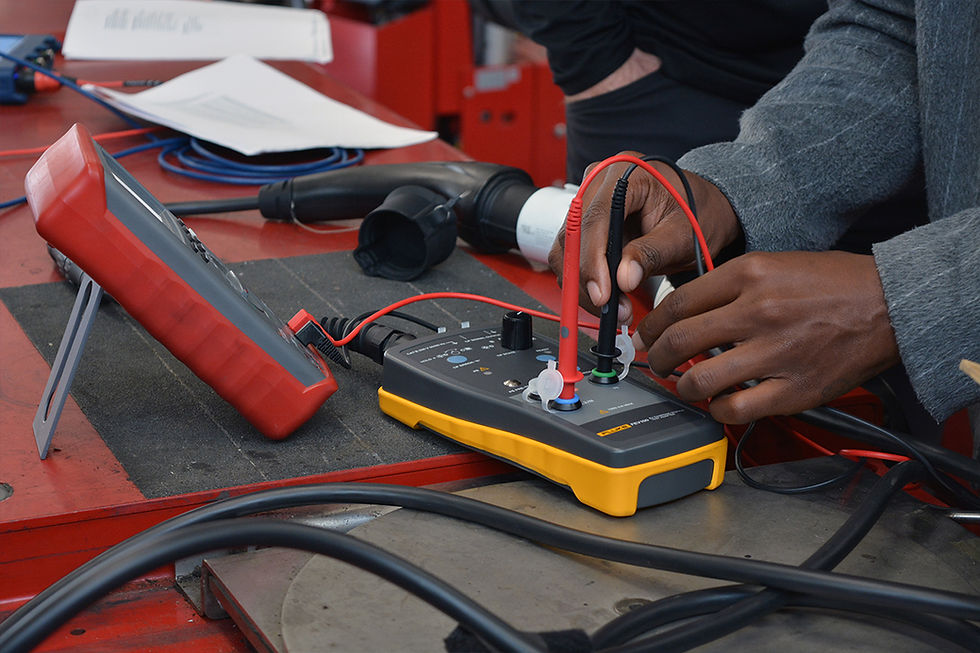
Technology plays a vital role in modern fleet maintenance. Training programs must include instruction on the latest diagnostic tools and software. Technicians should learn to:
Use onboard diagnostic systems (OBD-II) to read error codes.
Operate computerized maintenance management systems (CMMS).
Understand electric and hybrid vehicle components.
Utilize mobile apps for parts ordering and repair manuals.
Analyze telematics data to predict maintenance needs.
Hands-on experience with these technologies improves technician efficiency and accuracy. It also prepares them for the increasing complexity of vehicle systems.
Benefits of Professional Fleet Technician Training
Investing in professional training delivers measurable benefits:
Reduced downtime: Faster diagnosis and repair mean vehicles spend more time on the road.
Lower repair costs: Skilled technicians prevent costly mistakes and unnecessary part replacements.
Improved safety: Proper maintenance reduces the risk of accidents and breakdowns.
Regulatory compliance: Trained technicians ensure fleets meet environmental and safety standards.
Enhanced workforce morale: Ongoing training boosts technician confidence and job satisfaction.
Adaptability: Teams stay current with evolving vehicle technologies and industry trends.
Organizations that prioritize training see a direct impact on operational efficiency and cost savings.
Partnering for Success in Fleet Technician Training
Choosing the right training partner is crucial. Workforce Training Associates (WTA) offers comprehensive programs tailored to organizational needs. Their expertise helps fleets adapt to new vehicle technologies and improve workforce performance. Partnering with a trusted provider ensures training is relevant, up to date, and aligned with industry standards.
For organizations seeking to enhance their maintenance teams, investing in fleet technician training through a reputable partner is a strategic move. It supports long-term fleet reliability and operational excellence.
Building a Future-Ready Fleet Maintenance Team
Mastering fleet technician training is an ongoing process. As vehicle technology advances, so must the skills of those who maintain them. Organizations should commit to continuous learning and development. This approach ensures technicians remain capable of handling new challenges and maintaining fleet readiness.
By focusing on comprehensive training, leveraging technology, and partnering with experts, fleets can achieve higher performance, lower costs, and improved safety. The future of fleet maintenance depends on well-trained technicians equipped to meet tomorrow's demands.


Comments