


The Importance of Vehicle Hydraulics Training for Fleet Managers
Updated: Aug 12
Hydraulic systems power many essential functions in vehicles, especially in heavy-duty and commercial fleets. These systems control brakes, steering, lifts, and other critical operations. Without proper knowledge and skills, maintaining and repairing these systems can be risky and costly. That is why vehicle hydraulics training is vital for anyone responsible for fleet maintenance and operation.
Why Vehicle Hydraulics Training Matters for Fleet Management

Hydraulic systems are complex. They involve fluid power, pressure control, valves, pumps, and cylinders. A small mistake in handling these parts can lead to system failure or safety hazards. Training ensures technicians understand how these systems work and how to service them correctly.
Proper training reduces downtime. When technicians know how to diagnose and fix hydraulic issues quickly, vehicles spend less time out of service. This improves fleet availability and productivity. It also lowers repair costs by preventing damage caused by incorrect repairs.
Safety is another key reason. Hydraulic systems operate under high pressure. Without proper training, technicians risk injury from fluid leaks or component failures. Training teaches safe handling practices and the use of protective equipment.
Key Components of Effective Vehicle Hydraulics Training
A good training program covers several important areas:
Hydraulic system basics: Understanding fluid dynamics, pressure, and flow.
System components: Pumps, valves, actuators, hoses, and reservoirs.
Diagnostics: Identifying common problems like leaks, pressure loss, and contamination.
Maintenance procedures: Proper inspection, fluid replacement, and part replacement.
Safety protocols: Handling pressurized systems safely and using protective gear.
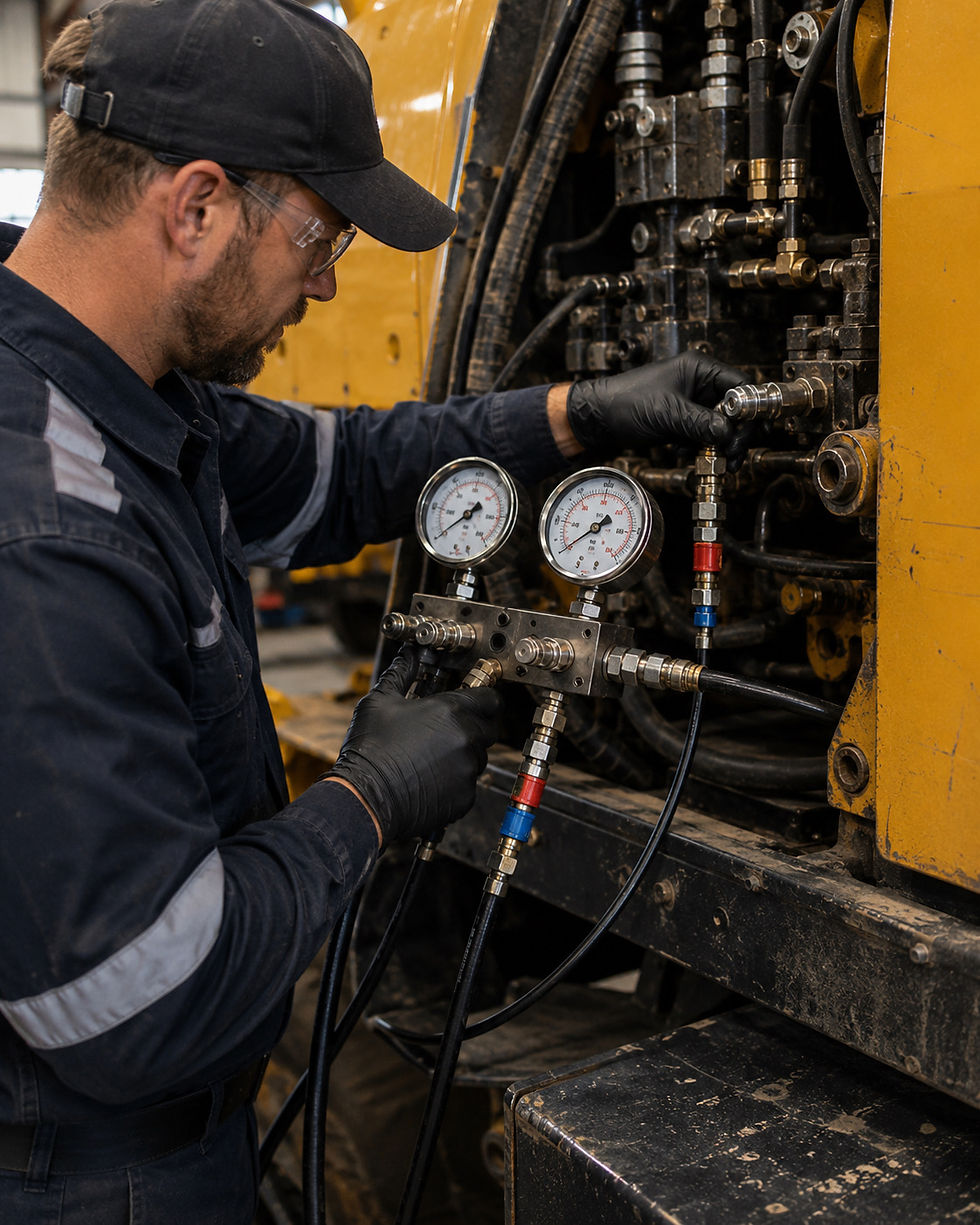
Hands-on practice is essential. Technicians learn best by working directly with hydraulic systems under expert supervision. This builds confidence and skill.
Comparing Training Options for Vehicle Hydraulics
When choosing training, consider the quality and relevance of the program. Two notable options include:
Fleet Technician Training by Workforce Training Associates (WTA)
WTA offers comprehensive courses tailored to fleet technicians. Their programs include detailed modules on hydraulic systems, combining theory with practical exercises. WTA’s training helps fleets adapt to new vehicle technologies and improve technician performance. Learn more at Workforce Training Associates.
Hydraulic Systems Training by Industrial Training International (ITI)
ITI provides specialized hydraulic training focused on industrial applications. Their courses emphasize troubleshooting and repair techniques. ITI’s hands-on approach suits technicians who need in-depth hydraulic knowledge.
Both programs emphasize safety and practical skills. Choosing the right one depends on your fleet’s specific needs and technician experience levels.

How Vehicle Hydraulics Training Improves Fleet Efficiency
Training technicians in hydraulics leads to faster repairs and fewer breakdowns. This means vehicles return to service sooner, reducing operational delays. Well-trained technicians can spot potential issues early, preventing costly failures.
Training also supports compliance with safety regulations. Properly maintained hydraulic systems reduce the risk of accidents, protecting drivers and other road users.
Integrating Training with Fleet Maintenance Programs
Vehicle hydraulics training should be part of a broader maintenance strategy. Regular inspections and scheduled servicing keep hydraulic systems in good condition. Training helps technicians follow best practices consistently.
Fleet managers can track training progress and maintenance outcomes to identify areas for improvement. This data-driven approach ensures continuous performance gains.
Investing in Vehicle Hydraulics Training
Investing in quality training for hydraulic systems pays off in safety, cost savings, and fleet reliability. Technicians gain the skills needed to handle complex systems confidently. Fleets benefit from reduced downtime and better vehicle performance.
If you want to improve your fleet’s maintenance capabilities, consider programs like those offered by Workforce Training Associates. Their focus on practical, up-to-date training makes them a strong partner for fleet technician development.
Taking the step to train your team in hydraulics today will protect your fleet’s future and keep your vehicles running smoothly. Explore available training options and choose the one that fits your needs best.
Conclusion
In conclusion, vehicle hydraulics training is essential for maintaining the efficiency and safety of fleet operations. By investing in comprehensive training programs, fleet managers can ensure their technicians are well-equipped to handle the complexities of hydraulic systems. This not only enhances vehicle performance but also contributes to overall cost savings and reduced downtime. Prioritize training today to secure a more reliable and efficient fleet for tomorrow.


Comments